
I became pregnant at the end of 1989 in Scotland right before emigrating to North Carolina. The first thing I noticed, with horror was that my favorite appetizer at the Ho Wong restaurant near the river Clyde in Glasgow, suddenly tasted completely different, and I didn’t enjoy the experience. This was the beginning of a new relationship with food, which pregnant women have known through the millennia. My mother, who is English, lost her taste for tea, can you imagine? She was able to return to enjoying tea I am very glad to say.
However, the time and place for my pregnancy was the United States in the 90s, where I was in the fortunate position of being covered by health insurance and so under the care of health professionals. The first nurse practitioner I met was very keen to impress on me the importance of prenatal vitamins, which of course I was happy to buy. My maternal grandmother had six children in the 1930s when nutrition for pregnancy was in its infancy and the advice was likely to be that no dietary changes were necessary. However, common wisdom did encourage drinking milk and milk stout. Stout (dark beer) contains a lot of iron and was thought to be beneficial to both pregnancy and breastfeeding. In other words, alcohol was not considered dangerous and some doctors thought that smoking (which my grandmother did) was beneficial. https://www.todaysparent.com/blogs/being-pregnant-then-vs-now/
On a side note, I did meet a work colleague of my husband’s who had been born in the 70s. Her mother was French and was fond of telling people that during her pregnancy, she could not bear to drink ANYTHING except champagne. She did produce a successful scientist, amazingly.
I remember my grandmother saying things like “have a baby, lose a tooth” and being familiar with the dental norms for her generation, I was motivated to keep up a good calcium intake level.
In her turn, my mother who was pregnant in the late 50s and early 60s was at least expected to eat a healthy diet and to consider the effects on the unborn child. She was advised to drink milk and orange juice and to take cod liver oil. On the other hand, there was definite concern about excluding foods that carried the risk of listeria, such as deli meats and soft cheeses, which can cause miscarriage or stillbirth. https://www.healthline.com/health/pregnancy/infections-listeria
In the 90s, there was another important addition to the list for pregnancy nutrition, folic acid. The research on how a lack of folic acid can lead to neural tube defects was carried out in the 60s and really, from the 70s onward, was routinely recommended to pregnant women.
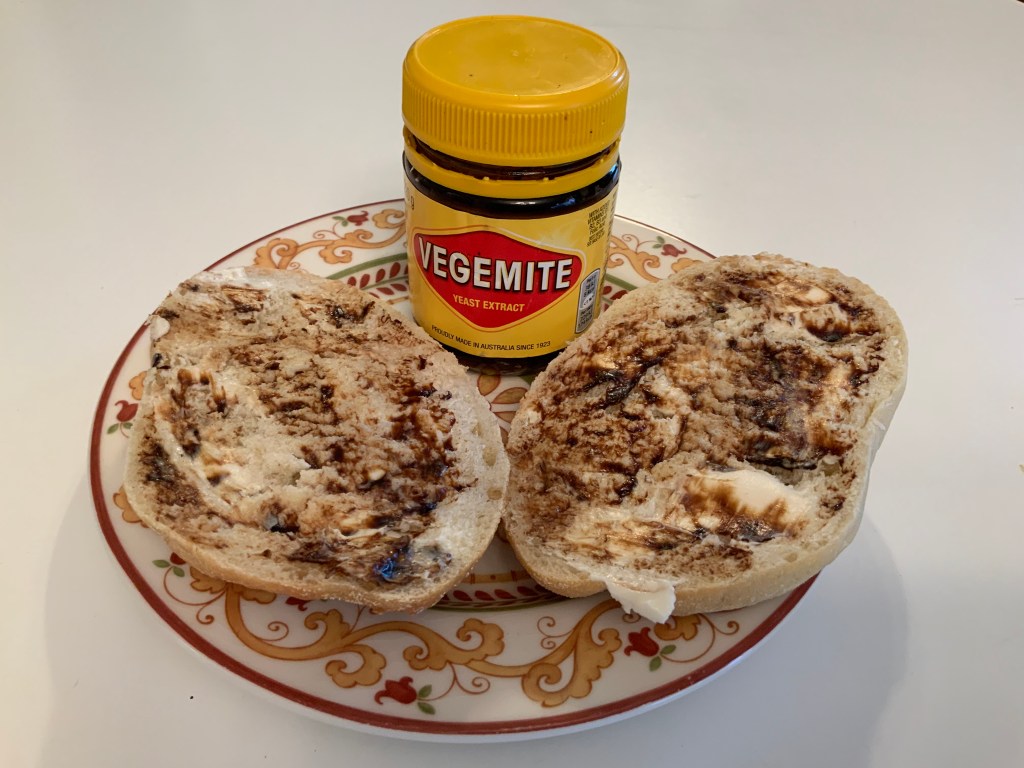
I was taken aback that during my prenatal visits I was never asked about my eating habits, I was only told what to eat and what not to eat. However, folic acid was always emphasized and the doctors wanted to know the amounts I was eating. Folic acid was the main focus for very good reasons. https://www.cdc.gov/ncbddd/folicacid/about.html That being said, if anyone had taken an interest in my actual diet, they would have discovered that as a British person, I eat a lot of folic acid in the form of a favorite British spread, Marmite. This is similar to the Australian spread, Vegemite, although Brits and Auzzies can tell you how they are different and which one is the best. Marmite is a by product of beer making and is a glossy dark brown spread that has a unique salty tate. It does need to be spread very thinly on bread, omelettes, meat etc. I had Marmite as a toddler on bread soldiers and I never lost the taste. I could easily find it at the local British store anywhere I have lived in the US until the Pandemic. British pubs closed during lockdown, therefore the production of beer went down dramatically and so the raw materials were not available to make Marmite. It is still out of stock in most places today.
My daughter’s 21st century pregnancy was so unique to her time and her body. In the years leading up to her conceiving a child, her job took her overseas. She often came back with a gastro intestinal infection, either a nightmarish parasite or e.coli. The last e.coli event took a long time to diagnose and did a number on her digestive system leading to Irritable Bowel Syndrome symptoms. Being very conscientious people, she and her husband decided together to go on a really healthy diet in preparation for pregnancy. My daughter, in addition, saw a specialist and began to get to the bottom of the causes of her gastro intestinal symptoms in terms of identifying foods that were contributing to the problems. This is when I learned about the existence of Fructans and Galacto-Oligosaccharides, which are collectively referred to as Fodmaps. My daughter started her exclusion diet, where she could hardly eat anything at first. It was a stress to be separated from her normal healthy diet and favorite treats. On top of that she found out much to her surprise, that she became pregnant very quickly. Based on the experience of many of her friends who were already parents, she was expecting that it would take a lot longer to get a positive test result. Our Mom to be was able to take all the prenatal supplements while following the Fodmap diet. I encourage you to type in “Fodmap” into the App store and you will see all the digital support available to help people navigate reducing the amounts of Fodmaps and identifying chief culprits in their diets that they must avoid. There’s always an app for anything you want to do in life. Currently my daughter eats most of what she used to it with limits on things like onions and sadly, she avoids mangoes like the plague even though they are delicious.
Learning about Fodmaps is very interesting to everyone, pregnant or not. I have read that gluten sensitivity, may in fact be sensitivity to the Fodmaps in those food and have nothing to do with gluten. I am full of wonder at how much science can tell us about how our bodies interact with foods. I am so grateful for the knowledge that keeps my family and my new grandchild able to make choices that support the health of their own bodies. It’s fun to try new recipes.
 NanaKim
Leave a comment